
Why native plants?
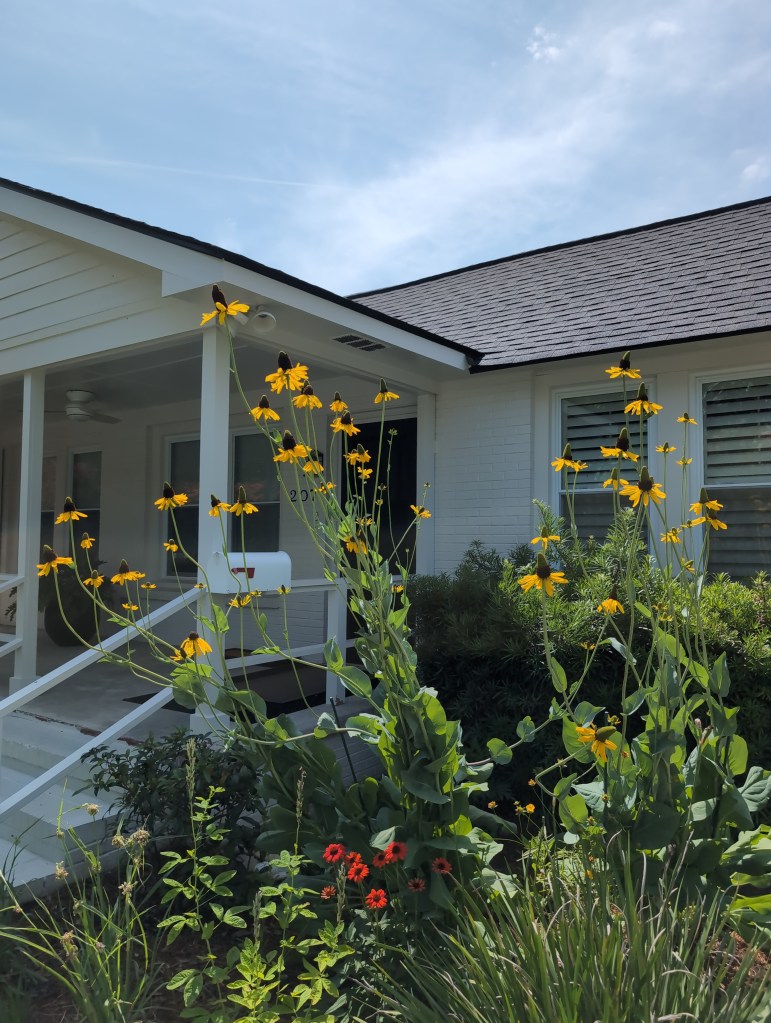
Native plant species have, over millions of years, coevolved alongside the insects, birds, and other wildlife of the South Carolina Lowcountry, forming deep, interconnected relationships that conventional ornamental landscapes simply cannot replace. Every garden is an opportunity to play our human part in the web of life- that of the steward. Whether it’s a single plant, a few garden beds, or an entire property transformation, choosing native plants means acting on our responsibility to nurture the living systems that make this place unique, creating landscapes that are ecologically functional as well as beautiful.
How I work
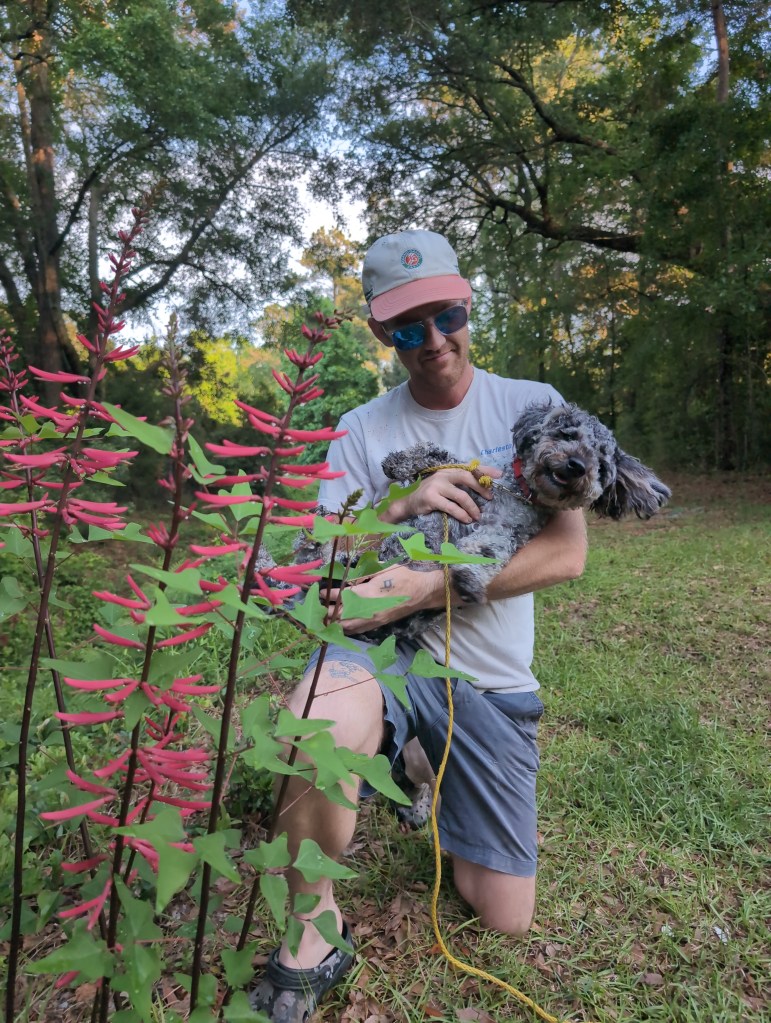
I design, install, and care for landscapes with good land stewardship at the center of my work. Guided by ecological principles, I use native plants, thoughtful design, and sustainable practices to create healthy, resilient landscapes that support native Lowcountry wildlife and bring joy to the people who live among it.
A garden is a process, not a product. Every garden is in constant flux as plants grow, seasons shift, and the land responds. Rather than chasing stagnant perfection, I approach each project as an ongoing relationship with the landscape, guided by these principles:
- Planting native species that belong in the local ecosystem
- Removing invasive plants that threaten native biodiversity
- Providing habitat as well as food for native insects, birds, and other wildlife
- Building healthy soil and fostering the microscopic life that supports resilient landscapes
- Limiting the use of herbicides and pesticides
- Staying in dialogue with the land and selecting the right plant for the right place- working with natural processes, not against them
Join the growing movement of habitat gardeners and native plant enthusiasts! I’ll be glad to help.
-Mikey
Terms
Native Plant
A plant that occurs naturally and historically in a region without human introduction and has evolved within that ecosystem alongside local wildlife, soils, and climate.
Non-native (Introduced) Plant
A plant that has been brought to a region outside of its natural range, intentionally or accidentally. Some non-native plants are well-behaved and can coexist in gardens, and may even provide valued ecological functions.
Invasive Plant
A non-native plant that spreads aggressively and causes ecological harm by disrupting and displacing native plant communities, reducing biodiversity, and otherwise negatively altering ecosystem processes.
Host Plant
A plant that provides the specific food and habitat needed for an insect to complete its life cycle. Many native butterflies, moths, and other insects depend on a single or a handful of particular native host plants to survive and reproduce.
Keystone Plant
A plant species that plays an exceptionally valuable role in supporting an ecosystem. The loss of a keystone plant can affect many other plant and animal species that depend on it.
Ecological Function
The role a plant plays within an ecosystem, including supporting wildlife, building soil health, managing the flow of water, storing carbon, and contributing to biodiversity.
Biodiversity
The variety of living organisms within an ecosystem. Greater biodiversity creates healthier, more resilient landscapes capable of adapting to change.
